Showing posts with label Food and Nutrition Care. Show all posts

How to Choose Healthy Fats and Oils to Eat

0 comments

Healthy Fats and Oils to Eat

Dietary fats are classified into four groups: saturated, mono-saturated, and poly-saturated and Trans fats. Saturated fats increases blood cholesterol levels while mono and poly- saturated fats tend to lower blood cholesterol, where poly saturated fats have a greater impact than mono saturated fats.Trans fatty acids formed when hydrogen is added to vegetable oils or hydrogenated and hardened to form margarines.

choose Healthy Fats and Oils to Eat

Monounsaturated fats and polyunsaturated fats are known as the “good fats” because they are good for your heart, your cholesterol, and your overall health

GOOD FATS 

Monounsaturated fat
  • Olive oil 
  • Canola oil 
  • Sunflower oil 
  • Peanut oil 
  • Sesame oil 
  • Avocados 
  • Olives 
  • Nuts (almonds, peanuts, macadamia nuts, hazelnuts, pecans, cashews) 
  • Peanut butter 
Polyunsaturated fat
  • Soybean oil 
  • Corn oil 
  • Safflower oil 
  • Walnuts 
  • Sunflower, sesame, and pumpkin seeds
  • Flaxseed 
  • Fatty fish (salmon, tuna, mackerel, herring, trout, sardines) 
  • Soymilk 
  • Tofu
Saturated fats and trans fats are known as the “bad fats” because they increase your risk of disease and elevate cholesterol.

BAD FATS 

Saturated fat
  • High-fat cuts of meat (beef, lamb, pork) 
  • Chicken with the skin 
  • Whole-fat dairy products (milk and cream) 
  • Butter 
  • Cheese 
  • Ice cream 
  • Palm and coconut oil 
  • Lard 
Trans fat
  • Commercially-baked pastries, cookies, doughnuts, muffins, cakes, pizza dough 
  • Packaged snack foods (crackers, microwave popcorn, chips) 
  • Stick margarine 
  • Vegetable shortening 
  • Fried foods (French fries, fried chicken, chicken nuggets, breaded fish) 
  • Candy bars 
How much fat one takes depends on our lifestyle, weight, age and general state of health. However, according to USAD
  • Total fat intake should be 20-35%
  • Limit saturated fats to less than 10 % of your total calorie intake
  • Limit trans-fat to 1 % of calorie intake
Things to remember
  • Dietary fat contains more than double the amount of kilojoules per gram than carbohydrate or protein.
  • Animal products and some processed foods, especially fried fast food, are generally high in saturated fats, which have been linked to increased blood cholesterol levels.
  • Replacing saturated fats with mono-unsaturated and polyunsaturated fats tends to improve blood cholesterol levels.
Continue reading →

Healthy Fats and Oils to Eat

Dietary fats are classified into four groups: saturated, mono-saturated, and poly-saturated and Trans fats. Saturated fats increases blood cholesterol levels while mono and poly- saturated fats tend to lower blood cholesterol, where poly saturated fats have a greater impact than mono saturated fats.Trans fatty acids formed when hydrogen is added to vegetable oils or hydrogenated and hardened to form margarines.

choose Healthy Fats and Oils to Eat

Monounsaturated fats and polyunsaturated fats are known as the “good fats” because they are good for your heart, your cholesterol, and your overall health

GOOD FATS 

Monounsaturated fat
  • Olive oil 
  • Canola oil 
  • Sunflower oil 
  • Peanut oil 
  • Sesame oil 
  • Avocados 
  • Olives 
  • Nuts (almonds, peanuts, macadamia nuts, hazelnuts, pecans, cashews) 
  • Peanut butter 
Polyunsaturated fat
  • Soybean oil 
  • Corn oil 
  • Safflower oil 
  • Walnuts 
  • Sunflower, sesame, and pumpkin seeds
  • Flaxseed 
  • Fatty fish (salmon, tuna, mackerel, herring, trout, sardines) 
  • Soymilk 
  • Tofu
Saturated fats and trans fats are known as the “bad fats” because they increase your risk of disease and elevate cholesterol.

BAD FATS 

Saturated fat
  • High-fat cuts of meat (beef, lamb, pork) 
  • Chicken with the skin 
  • Whole-fat dairy products (milk and cream) 
  • Butter 
  • Cheese 
  • Ice cream 
  • Palm and coconut oil 
  • Lard 
Trans fat
  • Commercially-baked pastries, cookies, doughnuts, muffins, cakes, pizza dough 
  • Packaged snack foods (crackers, microwave popcorn, chips) 
  • Stick margarine 
  • Vegetable shortening 
  • Fried foods (French fries, fried chicken, chicken nuggets, breaded fish) 
  • Candy bars 
How much fat one takes depends on our lifestyle, weight, age and general state of health. However, according to USAD
  • Total fat intake should be 20-35%
  • Limit saturated fats to less than 10 % of your total calorie intake
  • Limit trans-fat to 1 % of calorie intake
Things to remember
  • Dietary fat contains more than double the amount of kilojoules per gram than carbohydrate or protein.
  • Animal products and some processed foods, especially fried fast food, are generally high in saturated fats, which have been linked to increased blood cholesterol levels.
  • Replacing saturated fats with mono-unsaturated and polyunsaturated fats tends to improve blood cholesterol levels.

Which are the best Comfort Foods for Cold Weather?

0 comments

Which are the best Comfort Foods for Cold Weather?

Cold, dark and miserable days of winter works hazards for our health and beauty regime. Dry and cold weather, low activity level and gorging on winter goodies takes our diet and health for a toss.

Best Comfort Foods for Cold Weather

The weather brings with itself lots of problems, like
  • Making skin dry and rough
  • Acne and flaking of the skin
  • Skier’s sunburn
  • Depression blues due to long , cold and dark winter days
  • Lack of energy and activity
  • Low immunity

The best comfort foods to fight these given problems are as stated below:

  • Whole grain bread- long hours of indoor heating makes our body dry and saps up moisture from our body. Eating whole grains reduces dryness and redness, as they contain lipids which help in ‘cementing’ our skin cells.
  • Egg- eating whole eggs (yolk and all) which contains biotin promotes fatty acids production- a sure shot solution for smooth skin. Try extra helping of Swiss chard too.
  • Fish- dry conditions play havoc on our skin upsetting exfoliation and starting off minor inflammation. Weekly three servings of cold water fish like salmon, anchovies, halibut or arctic char- which are loaded with EPA, a soothing omega-3 fatty acid, helps fight these cold weather skin conditions.
  • Watercress- it helps in releasing detoxifying enzymes and boosts antioxidant defence systems. 
  • Walnuts, Flax seeds and chia seeds- these power foods help in boosting ALA, an omega-3 that converts into EPA.
  • Green tea- ultra violet radiation increases every 1000 foot rise in elevation, so skiers are at a risk of sunburn during winter days. Green tea helps in preventing damages done by ultra violet rays
  • Lycopene rich foods- foods like tomatoes, pink grapefruits, watermelon and dark chocolates are rich in lycopene and help slightly in reducing damages done by sun exposure.
  • Folate supplements- foods rich in folate, a vitamin, like spinach, asparagus, black-eyed beans and fortified cereals act as anti-depressants.
  • Vitamin D rich foods- foods like fortified milk, orange juice, yogurt etc. have ample vitamin D which is essential for strong bones and proper absorption of potassium and calcium, and also has a link to our mood.
  • Water- plain or mint infused water keeps us hydrated and acts as a placebo for enhancing our mood too. 
Continue reading →

Which are the best Comfort Foods for Cold Weather?

Cold, dark and miserable days of winter works hazards for our health and beauty regime. Dry and cold weather, low activity level and gorging on winter goodies takes our diet and health for a toss.

Best Comfort Foods for Cold Weather

The weather brings with itself lots of problems, like
  • Making skin dry and rough
  • Acne and flaking of the skin
  • Skier’s sunburn
  • Depression blues due to long , cold and dark winter days
  • Lack of energy and activity
  • Low immunity

The best comfort foods to fight these given problems are as stated below:

  • Whole grain bread- long hours of indoor heating makes our body dry and saps up moisture from our body. Eating whole grains reduces dryness and redness, as they contain lipids which help in ‘cementing’ our skin cells.
  • Egg- eating whole eggs (yolk and all) which contains biotin promotes fatty acids production- a sure shot solution for smooth skin. Try extra helping of Swiss chard too.
  • Fish- dry conditions play havoc on our skin upsetting exfoliation and starting off minor inflammation. Weekly three servings of cold water fish like salmon, anchovies, halibut or arctic char- which are loaded with EPA, a soothing omega-3 fatty acid, helps fight these cold weather skin conditions.
  • Watercress- it helps in releasing detoxifying enzymes and boosts antioxidant defence systems. 
  • Walnuts, Flax seeds and chia seeds- these power foods help in boosting ALA, an omega-3 that converts into EPA.
  • Green tea- ultra violet radiation increases every 1000 foot rise in elevation, so skiers are at a risk of sunburn during winter days. Green tea helps in preventing damages done by ultra violet rays
  • Lycopene rich foods- foods like tomatoes, pink grapefruits, watermelon and dark chocolates are rich in lycopene and help slightly in reducing damages done by sun exposure.
  • Folate supplements- foods rich in folate, a vitamin, like spinach, asparagus, black-eyed beans and fortified cereals act as anti-depressants.
  • Vitamin D rich foods- foods like fortified milk, orange juice, yogurt etc. have ample vitamin D which is essential for strong bones and proper absorption of potassium and calcium, and also has a link to our mood.
  • Water- plain or mint infused water keeps us hydrated and acts as a placebo for enhancing our mood too. 

How many net carbs do you eat daily? - Carbohydrates Contain

1 comments
Carbohydrates contain 4 calories per gram. So divide the number of calorie you take in a day by 4.It will give the amount of net carbohydrates that you consume in a day.

how many carbs do you take in per day

If you eat a food that contains 20 g of carbohydrates, the number of calories from carbohydrates would be 80.

Carbohydrates are good source of energy and it can be converted into glucose more readily.

But if it’s taken in high proportion than by raising the blood insulin level it can adversely affect your body. Having more amount of simple carbohydrates than needed may result in excess weight gain. Simple carbohydrates are more harmful than complex one.

It should be taken in balance with Protein, fiber and fat that you consume.

Ideal amount of net carbohydrates ranges from 50 g to 150 g per day.

Instead of taking more quantity of carbohydrates at a time split it into multiple times, which will boost your metabolism and will help you in preventing gaining extra weight.

When we talk about carbohydrates than quality is more important than quantity.

There are two types of carbohydrates - Simple carbohydrates and complex carbohydrates:


Simple carbohydrates:
Simple carbohydrates are moreover found in following food items:
  • Sweets, soft drinks, Cakes, Cookies, Chocolates, Ice-creams, Jellies, Jams, etc. but they are not considered much good for health as when carbohydrates is taken directly in such sugary form than it may cause diabetes.
  • Avoid such kind of foods. Most of the processed food contains added sugars. And they contain too many calories while offering little or no nutritional value.
Complex carbohydrates:
Complex carbohydrates are better than simple carbohydrates and they are moreover found from fruits and vegetables. Below are some of the sources of complex carbohydrates which are good for health:
vegetables, fruits, lentils, nuts, beans, oats/oatmeal, brown rice,sweet potatoes/yams, wholegrain cereals, white potatoes, various whole grain foods, etc.

Fruits, vegetables, legumes and whole grains, all contain carbohydrates and even contain fibers and as you know fibers are good for the digestive system and thus it doesn't makes you feel hungry every now and then and eventually it leads you for a balanced diet which will make you to lose those extra pounds too.

Simple way to know the carbohydrate content, you can check the labels on the packed foods.

Concentrate more on sources of complex carbohydrates than simple carbohydrates.

Incoming Searching Terms:
  • how many carbs do you take in per day
  • atkins and low carb diet logging
  • how much fat should I be eating
  • low carb friends
Continue reading →
Carbohydrates contain 4 calories per gram. So divide the number of calorie you take in a day by 4.It will give the amount of net carbohydrates that you consume in a day.

how many carbs do you take in per day

If you eat a food that contains 20 g of carbohydrates, the number of calories from carbohydrates would be 80.

Carbohydrates are good source of energy and it can be converted into glucose more readily.

But if it’s taken in high proportion than by raising the blood insulin level it can adversely affect your body. Having more amount of simple carbohydrates than needed may result in excess weight gain. Simple carbohydrates are more harmful than complex one.

It should be taken in balance with Protein, fiber and fat that you consume.

Ideal amount of net carbohydrates ranges from 50 g to 150 g per day.

Instead of taking more quantity of carbohydrates at a time split it into multiple times, which will boost your metabolism and will help you in preventing gaining extra weight.

When we talk about carbohydrates than quality is more important than quantity.

There are two types of carbohydrates - Simple carbohydrates and complex carbohydrates:


Simple carbohydrates:
Simple carbohydrates are moreover found in following food items:
  • Sweets, soft drinks, Cakes, Cookies, Chocolates, Ice-creams, Jellies, Jams, etc. but they are not considered much good for health as when carbohydrates is taken directly in such sugary form than it may cause diabetes.
  • Avoid such kind of foods. Most of the processed food contains added sugars. And they contain too many calories while offering little or no nutritional value.
Complex carbohydrates:
Complex carbohydrates are better than simple carbohydrates and they are moreover found from fruits and vegetables. Below are some of the sources of complex carbohydrates which are good for health:
vegetables, fruits, lentils, nuts, beans, oats/oatmeal, brown rice,sweet potatoes/yams, wholegrain cereals, white potatoes, various whole grain foods, etc.

Fruits, vegetables, legumes and whole grains, all contain carbohydrates and even contain fibers and as you know fibers are good for the digestive system and thus it doesn't makes you feel hungry every now and then and eventually it leads you for a balanced diet which will make you to lose those extra pounds too.

Simple way to know the carbohydrate content, you can check the labels on the packed foods.

Concentrate more on sources of complex carbohydrates than simple carbohydrates.

Incoming Searching Terms:
  • how many carbs do you take in per day
  • atkins and low carb diet logging
  • how much fat should I be eating
  • low carb friends

What do you eat during your Pregnancy?

0 comments

Pregnancy and Nutrition:

It is wonderful that ever becoming rounder abdomen when your child grows. But how do you avoid too much fat and too much moisture store? How do you get your old figure back pregnant after?

Pregnancy and Nutrition

Dietitian Miry Lohan gives advice:

The extra pounds during your pregnancy are not because of your baby but you have stored the fat in your body. It is also of the amniotic fluid, placenta and membranes, the extra blood from you, the growth of mammary glands in your breasts, uterus and fluid retention. Overall, about 15 percent of the weight that you carry is extra fat. Obviously you save even more fat when you have too many snacks.

Oily fish:

According to research, Oily fish is good contrast. If you eat fish during pregnancy, you will get a child with a better motor development. It is recommended to eat oily fish twice a week, such as herring, mackerel and eel.

Taste and smell:

Your taste and smell often change when you're pregnant. You can suddenly get hungry in things you previously did not like or never ate.

Iron Rich Foods:

Many pregnant women suffer from anemia. This can be noticed because you're tired and pale. To avoid this, you must ensure that you eat enough iron-rich foods. Iron is found in meat, vegetables, nuts, apple and rye bread. You can merge Iron Rich Foods with products that are rich in vitamin C, such as fruit (citrus) vegetables and potatoes.

Salt:

Many women have suffered from swollen ankles at the end of their pregnancy. This is because your body retains more moisture. To avoid this or to mitigate it is moving well. Use limited salt in your diet. Salt namely has a moisturizing effect and that you have now just not necessary. Another advantage of the inferiors with salt is that it has a beneficial effect on your blood pressure because that normally goes up during your pregnancy.

No lines:

It is not wise to align during pregnancy and breastfeeding. Fat burning has various waste products. These wastes come through your blood and breastfeeding. At that time it is not wise to breastfeeding your child.

Losing weight after pregnancy:

Probably you want your old weight back after delivery as quickly as possible. Yet it is wise not to go straight stern lines. If you stay with healthy eating and start to move again, these extra pounds are going off by itself. Remember that your average nine months need to ontzwangeren. Provide your breast, then up to 0.5 kilograms per week allowed, but rather fall less quickly. If you not breastfeeding, you can immediately start losing weight.

Abdominals:

By only paying attention to your diet, you do not get your old figure. Move and sport to get your body back tight. The start is easy on your stomach muscles. Are your abs stretched by pregnancy and have some time needed to get back to shrink.
Continue reading →

Pregnancy and Nutrition:

It is wonderful that ever becoming rounder abdomen when your child grows. But how do you avoid too much fat and too much moisture store? How do you get your old figure back pregnant after?

Pregnancy and Nutrition

Dietitian Miry Lohan gives advice:

The extra pounds during your pregnancy are not because of your baby but you have stored the fat in your body. It is also of the amniotic fluid, placenta and membranes, the extra blood from you, the growth of mammary glands in your breasts, uterus and fluid retention. Overall, about 15 percent of the weight that you carry is extra fat. Obviously you save even more fat when you have too many snacks.

Oily fish:

According to research, Oily fish is good contrast. If you eat fish during pregnancy, you will get a child with a better motor development. It is recommended to eat oily fish twice a week, such as herring, mackerel and eel.

Taste and smell:

Your taste and smell often change when you're pregnant. You can suddenly get hungry in things you previously did not like or never ate.

Iron Rich Foods:

Many pregnant women suffer from anemia. This can be noticed because you're tired and pale. To avoid this, you must ensure that you eat enough iron-rich foods. Iron is found in meat, vegetables, nuts, apple and rye bread. You can merge Iron Rich Foods with products that are rich in vitamin C, such as fruit (citrus) vegetables and potatoes.

Salt:

Many women have suffered from swollen ankles at the end of their pregnancy. This is because your body retains more moisture. To avoid this or to mitigate it is moving well. Use limited salt in your diet. Salt namely has a moisturizing effect and that you have now just not necessary. Another advantage of the inferiors with salt is that it has a beneficial effect on your blood pressure because that normally goes up during your pregnancy.

No lines:

It is not wise to align during pregnancy and breastfeeding. Fat burning has various waste products. These wastes come through your blood and breastfeeding. At that time it is not wise to breastfeeding your child.

Losing weight after pregnancy:

Probably you want your old weight back after delivery as quickly as possible. Yet it is wise not to go straight stern lines. If you stay with healthy eating and start to move again, these extra pounds are going off by itself. Remember that your average nine months need to ontzwangeren. Provide your breast, then up to 0.5 kilograms per week allowed, but rather fall less quickly. If you not breastfeeding, you can immediately start losing weight.

Abdominals:

By only paying attention to your diet, you do not get your old figure. Move and sport to get your body back tight. The start is easy on your stomach muscles. Are your abs stretched by pregnancy and have some time needed to get back to shrink.

Difference between Unsaturated and Saturated Fats

0 comments

Cholesterol in food:

Without cholesterol your body can not function. One in three people has high cholesterol in the Africa. That is harmful to health. Nutrition plays an important role in what you should or should not eat?

Unsaturated and Saturated Fats

Fats and cholesterol are inseparable. Our bodies cannot survive without fat. But one fat is not the other. To maintain lower cholesterol, it is important not to eat too many products with cholesterol. But even more important is to choose the right fats. There are saturated fats and unsaturated fats.

Saturated fats:

Saturated fats have minimal need. These fats affect the amount of bad cholesterol (LDL) in the blood. This is not good for health because too much LDL in the blood increases the risk of heart disease. Saturated fatty acids have a greater effect on blood cholesterol than dietary cholesterol. Saturated fats are often hidden in foods such as whole milk and fatty meats. But they are also found in butter, margarine in a wrapper, biscuits, chocolate and cakes.

Unsaturated fats:

Oil, margarine and cooking oil are mainly unsaturated fats. Unsaturated fats are important. These fats are made from plants and they are essential. This means that your body can not make them. You need them to build your cells and your resistance. Moreover breaks the good cholesterol (HDL) from unsaturated fats bad cholesterol (LDL) from saturated fats, and thus lowers the blood cholesterol. Unsaturated fats are found in fish, nuts, mayonnaise and vegetable oils (olive oil).

Healthy fatty fish:

All fish contain unsaturated fats. Oily fish, such as herring, mackerel, salmon and eel contain the most unsaturated fatty acids. Therefore the Nutrition Center recommends eating fish, including oily fish in at least twice a week. People who eat oily fish twice a week have a much lower risk of heart attack and heart disease. For people who do not eat fish, fish oil capsules are an alternative.

The myth of eggs:

Eggs are however erroneously known as cholesterolverhogers. Indeed, you must be careful with cholesterol, but there is a big difference between blood cholesterol and cholesterol in the diet. Cholesterol-rich food has had little effect on the cholesterol level in our blood. Much worse is eating saturated fats. The egg has relatively poor happiness in comparison with the other sources of cholesterol to the in saturated fatty acids. One egg contains just a lot of unsaturated fats, which help to reduce the risk of heart disease.

Other factors:

Good and varied diet kept cholesterol levels lower. But food is not the only factor. Less stress, not smoking, moderate alcohol consumption and exercise are just as important to keep your cholesterol under control. Besides, heredity plays a major role.
Continue reading →

Cholesterol in food:

Without cholesterol your body can not function. One in three people has high cholesterol in the Africa. That is harmful to health. Nutrition plays an important role in what you should or should not eat?

Unsaturated and Saturated Fats

Fats and cholesterol are inseparable. Our bodies cannot survive without fat. But one fat is not the other. To maintain lower cholesterol, it is important not to eat too many products with cholesterol. But even more important is to choose the right fats. There are saturated fats and unsaturated fats.

Saturated fats:

Saturated fats have minimal need. These fats affect the amount of bad cholesterol (LDL) in the blood. This is not good for health because too much LDL in the blood increases the risk of heart disease. Saturated fatty acids have a greater effect on blood cholesterol than dietary cholesterol. Saturated fats are often hidden in foods such as whole milk and fatty meats. But they are also found in butter, margarine in a wrapper, biscuits, chocolate and cakes.

Unsaturated fats:

Oil, margarine and cooking oil are mainly unsaturated fats. Unsaturated fats are important. These fats are made from plants and they are essential. This means that your body can not make them. You need them to build your cells and your resistance. Moreover breaks the good cholesterol (HDL) from unsaturated fats bad cholesterol (LDL) from saturated fats, and thus lowers the blood cholesterol. Unsaturated fats are found in fish, nuts, mayonnaise and vegetable oils (olive oil).

Healthy fatty fish:

All fish contain unsaturated fats. Oily fish, such as herring, mackerel, salmon and eel contain the most unsaturated fatty acids. Therefore the Nutrition Center recommends eating fish, including oily fish in at least twice a week. People who eat oily fish twice a week have a much lower risk of heart attack and heart disease. For people who do not eat fish, fish oil capsules are an alternative.

The myth of eggs:

Eggs are however erroneously known as cholesterolverhogers. Indeed, you must be careful with cholesterol, but there is a big difference between blood cholesterol and cholesterol in the diet. Cholesterol-rich food has had little effect on the cholesterol level in our blood. Much worse is eating saturated fats. The egg has relatively poor happiness in comparison with the other sources of cholesterol to the in saturated fatty acids. One egg contains just a lot of unsaturated fats, which help to reduce the risk of heart disease.

Other factors:

Good and varied diet kept cholesterol levels lower. But food is not the only factor. Less stress, not smoking, moderate alcohol consumption and exercise are just as important to keep your cholesterol under control. Besides, heredity plays a major role.

The Usefulness of Sports Drinks - Benefits of Sport Drinks

0 comments

What is the best thirst quencher?

Sports Drinks are very popular with athletes. They help you through the sweaty hours. But there are several types: hypo, hyper and isotonic. Which should you take if you want to get more energy? Is a drink with lots of carbohydrates such as sugars actually good?

benefits of sport drinks

During exercise you lose a lot of fluid. It is therefore important that you quickly replenish moisture deficit. If you do not, you run the risk of cramps in your muscles.

Water or sports drink?

Water contains no any substances that hold the moisture in your body. So pee you soon again. Sports drinks contain carbohydrates, salts and vitamins that retain moisture in your body.

A sports drink is really nothing more than a mixture of water, salts and sugars. In difficult words, it contains carbohydrates and electrolytes. Your body needs these substances required for optimal performance.

A sports drink is just fine by the acids that are added. Think of citric acid or other organic acids. The acids also ensure that the drink tenable longer. Some drinks carry extra vitamins.

Fluid retention:

Electrolytes (salts) are minerals such as sodium, potassium, calcium, magnesium and chlorine. In particular, sodium ensures that moisture is absorbed more rapidly. In addition, you get thirsty, so you start to drink. Your body retains moisture better. The Result is that you lost the important substances through your urine. The other electrolytes are not very important for your body to replenish. Indeed, an excess of these electrolytes can cause stomach problems.

More energy:

Carbohydrates or sugars provide more energy during exercise. So many runners eat a good plate of pasta before the marathon start. Do you drink a sport drink because you are thirsty during exercise? Then a drink with a minimal amount of carbohydrates is best. Too many carbohydrates also inhibit the absorption of fluids in the body. An energy drink is only suitable if you lose little moisture, e.g. in cold conditions. The ideal combination for both moisture and energy drinks is with 60-80 grams of carbohydrates.

Anti Caries Formula:

Excess acid is not good for your body. The taste is pleasant perhaps, but how acidic your drink, the worse it is for your teeth. A sports drink with an anti-caries formula provides the solution. Too much acid can also emptying of your stomach and braking problems with your stomach and intestines.

Hypo-, hyper-and isotonic:

There are three different types of sports drinks. The difference lies in the rate of absorption in your body. Water is such a strong hypotonic, so it quickly absorbed and is therefore a good thirst quencher. Hypotonic drinks contain less energy.

Drink with a hypertonic effect gives more energy than hypotonic. It is not wise to take hypertonic drink before or during exercise. Fruit juices are strongly hypertonic.

The best thing you can drink is an isotonic drink. Your body can quickly absorb and it contains substances that are useful during sports. Even after exercise, an isotonic drink is better for a hypertonic energy boost.


Which drink before or after?

Before you start exercising, take hypotonic or isotonic drinks before two hours. Water is best just before you start exercising. Would you properly recover after exercise? Drink within two hours of your effort a hypertonic drink.

Sports drinks have a proven positive result from exertion. But it is the question whether this applies to the occasional hour of sweating. Probably suffice brown cheese sandwich or a banana also for the recreational athlete among us. Sports drinks provide the best solution if you are a trained athlete or abundant sweat.

Incoming Searching Terms and Tags:
Continue reading →

What is the best thirst quencher?

Sports Drinks are very popular with athletes. They help you through the sweaty hours. But there are several types: hypo, hyper and isotonic. Which should you take if you want to get more energy? Is a drink with lots of carbohydrates such as sugars actually good?

benefits of sport drinks

During exercise you lose a lot of fluid. It is therefore important that you quickly replenish moisture deficit. If you do not, you run the risk of cramps in your muscles.

Water or sports drink?

Water contains no any substances that hold the moisture in your body. So pee you soon again. Sports drinks contain carbohydrates, salts and vitamins that retain moisture in your body.

A sports drink is really nothing more than a mixture of water, salts and sugars. In difficult words, it contains carbohydrates and electrolytes. Your body needs these substances required for optimal performance.

A sports drink is just fine by the acids that are added. Think of citric acid or other organic acids. The acids also ensure that the drink tenable longer. Some drinks carry extra vitamins.

Fluid retention:

Electrolytes (salts) are minerals such as sodium, potassium, calcium, magnesium and chlorine. In particular, sodium ensures that moisture is absorbed more rapidly. In addition, you get thirsty, so you start to drink. Your body retains moisture better. The Result is that you lost the important substances through your urine. The other electrolytes are not very important for your body to replenish. Indeed, an excess of these electrolytes can cause stomach problems.

More energy:

Carbohydrates or sugars provide more energy during exercise. So many runners eat a good plate of pasta before the marathon start. Do you drink a sport drink because you are thirsty during exercise? Then a drink with a minimal amount of carbohydrates is best. Too many carbohydrates also inhibit the absorption of fluids in the body. An energy drink is only suitable if you lose little moisture, e.g. in cold conditions. The ideal combination for both moisture and energy drinks is with 60-80 grams of carbohydrates.

Anti Caries Formula:

Excess acid is not good for your body. The taste is pleasant perhaps, but how acidic your drink, the worse it is for your teeth. A sports drink with an anti-caries formula provides the solution. Too much acid can also emptying of your stomach and braking problems with your stomach and intestines.

Hypo-, hyper-and isotonic:

There are three different types of sports drinks. The difference lies in the rate of absorption in your body. Water is such a strong hypotonic, so it quickly absorbed and is therefore a good thirst quencher. Hypotonic drinks contain less energy.

Drink with a hypertonic effect gives more energy than hypotonic. It is not wise to take hypertonic drink before or during exercise. Fruit juices are strongly hypertonic.

The best thing you can drink is an isotonic drink. Your body can quickly absorb and it contains substances that are useful during sports. Even after exercise, an isotonic drink is better for a hypertonic energy boost.


Which drink before or after?

Before you start exercising, take hypotonic or isotonic drinks before two hours. Water is best just before you start exercising. Would you properly recover after exercise? Drink within two hours of your effort a hypertonic drink.

Sports drinks have a proven positive result from exertion. But it is the question whether this applies to the occasional hour of sweating. Probably suffice brown cheese sandwich or a banana also for the recreational athlete among us. Sports drinks provide the best solution if you are a trained athlete or abundant sweat.

Incoming Searching Terms and Tags:

The Right Food for your Baby - Newborn Baby Food

0 comments

From milk to solid food:

During the first months of life, a child is dependent on milk supply. Breastfeeding is the best food for infants. Breastfeeding is the most complete diet that can suits you a baby. The milk is always at hand and at the correct temperature. Moreover, there is everything what your baby needs: antibodies, minerals, proteins, carbohydrates, fats, vitamins and other ingredients.

best food to start your baby on

Infants Milk:

To obtain the best possible alternative to breast milk to offer is infant milk. The fact is derived from scientific knowledge about the nutritional needs of the young child. The composition of infant milk is very similar to breastfeeding. However, it sometimes contains more nutritional value. This is done so because the baby milk digests less than breastfeeding. This gives the infant still enough nutrients.

If your child is bottle-fed, it's best to start with ordinary infant formulas. At the clinic you get all the information about how much food your baby needs. Sometimes even after a clear schedule, it is best to follow the needs of your child. The baby wants one at a time over the other.

Some babies will again prefer some more little bits. Most newborn babies ask themselves every two or three hours to feed. If you have a sleeping cup or extremely satisfied baby, keep in mind that you still have to give six to eight feedings per 24 hours.


Types of infant milk:

There are three types of baby milk, each of which conforms to precise three periods:
  1. Prime-age milk (infant milk): from birth to four or up to six months, periods when the baby may get only infant milk if he does not breastfeeding.
  2. Second-age milk (follow-on milk): transitional period which coincides with the time when the baby gets other foods then get milk, from four to six months to nine to twelve months.
  3. Third-age milk (growth milk): from one to three years, a period in which the child has a varied diet and gets virtually the same as eats by adults.

Cow's milk allergy:

Most artificial infant milk is cow's milk. Cow's milk allergy is the most common food allergy in infants. If your baby suffers from colic or diarrhea that does not automatically mean that it is allergic to cow's milk. Each baby has ever suffered from pimples or should one go spit. If you think something is wrong with yourbaby, always consult your doctor or clinic.

There is a treatment based on the omission of cow's milk protein from the diet. Ingredients that can provoke allergic reactions are called allergens. A diet that contains very few allergens is called hypoallergenic. There is special hypoallergenic milk for the babies who suffer with cow's milk allergy.

Previously cow's milk allergy diet based on soy prescribed. The Polish people come back, because many children with cow's milk allergy also allergic to soy can develop. Bottle feeding soy-based is therefore strongly discouraged.

Weaning:

From four months, you can a start by giving re-feeding. That usually consists of small snacks of fruit or vegetables. Choose a type and give it three days each haunted. So you can see if a child might be allergic. The supplement is best done with a plastic spoon as the size of a teaspoon.

Ready-to-eat foods:

Everyone knows the little jars of food for babies and toddlers. They are complete meals, fruit snacks or desserts and age is listed there. Just so you know from right what age the food is suitable. You do not hold Very strict at this age. There are different brands of baby food. In one jar can sit some more small pieces than in the other.

Start on time with the food pieces in there and give your child often different flavors. Potty Power is perhaps relatively expensive, but it has the necessary benefits. Especially hygiene and ease of use are top of the list. In the Britain, ready-made baby food of very high quality is available. Doctors and dietitians check strand or the amount of nutrients that meet your baby's needs.

In the preparation of the food it also necessary to check that weather it stored almost all vitamins. The jars must meet stringent requirements in terms of such preservatives and pesticides. The Commodities Act has regulated what is and is not allowed to sit in the jars.

Incoming Searching Terms and Tags:
Continue reading →

From milk to solid food:

During the first months of life, a child is dependent on milk supply. Breastfeeding is the best food for infants. Breastfeeding is the most complete diet that can suits you a baby. The milk is always at hand and at the correct temperature. Moreover, there is everything what your baby needs: antibodies, minerals, proteins, carbohydrates, fats, vitamins and other ingredients.

best food to start your baby on

Infants Milk:

To obtain the best possible alternative to breast milk to offer is infant milk. The fact is derived from scientific knowledge about the nutritional needs of the young child. The composition of infant milk is very similar to breastfeeding. However, it sometimes contains more nutritional value. This is done so because the baby milk digests less than breastfeeding. This gives the infant still enough nutrients.

If your child is bottle-fed, it's best to start with ordinary infant formulas. At the clinic you get all the information about how much food your baby needs. Sometimes even after a clear schedule, it is best to follow the needs of your child. The baby wants one at a time over the other.

Some babies will again prefer some more little bits. Most newborn babies ask themselves every two or three hours to feed. If you have a sleeping cup or extremely satisfied baby, keep in mind that you still have to give six to eight feedings per 24 hours.


Types of infant milk:

There are three types of baby milk, each of which conforms to precise three periods:
  1. Prime-age milk (infant milk): from birth to four or up to six months, periods when the baby may get only infant milk if he does not breastfeeding.
  2. Second-age milk (follow-on milk): transitional period which coincides with the time when the baby gets other foods then get milk, from four to six months to nine to twelve months.
  3. Third-age milk (growth milk): from one to three years, a period in which the child has a varied diet and gets virtually the same as eats by adults.

Cow's milk allergy:

Most artificial infant milk is cow's milk. Cow's milk allergy is the most common food allergy in infants. If your baby suffers from colic or diarrhea that does not automatically mean that it is allergic to cow's milk. Each baby has ever suffered from pimples or should one go spit. If you think something is wrong with yourbaby, always consult your doctor or clinic.

There is a treatment based on the omission of cow's milk protein from the diet. Ingredients that can provoke allergic reactions are called allergens. A diet that contains very few allergens is called hypoallergenic. There is special hypoallergenic milk for the babies who suffer with cow's milk allergy.

Previously cow's milk allergy diet based on soy prescribed. The Polish people come back, because many children with cow's milk allergy also allergic to soy can develop. Bottle feeding soy-based is therefore strongly discouraged.

Weaning:

From four months, you can a start by giving re-feeding. That usually consists of small snacks of fruit or vegetables. Choose a type and give it three days each haunted. So you can see if a child might be allergic. The supplement is best done with a plastic spoon as the size of a teaspoon.

Ready-to-eat foods:

Everyone knows the little jars of food for babies and toddlers. They are complete meals, fruit snacks or desserts and age is listed there. Just so you know from right what age the food is suitable. You do not hold Very strict at this age. There are different brands of baby food. In one jar can sit some more small pieces than in the other.

Start on time with the food pieces in there and give your child often different flavors. Potty Power is perhaps relatively expensive, but it has the necessary benefits. Especially hygiene and ease of use are top of the list. In the Britain, ready-made baby food of very high quality is available. Doctors and dietitians check strand or the amount of nutrients that meet your baby's needs.

In the preparation of the food it also necessary to check that weather it stored almost all vitamins. The jars must meet stringent requirements in terms of such preservatives and pesticides. The Commodities Act has regulated what is and is not allowed to sit in the jars.

Incoming Searching Terms and Tags:

Basic Rules for Good Nutrition - Nutritional Information

0 comments

Nutrition Guidelines:

Who eats according to the guidelines of the Food Centre and also a regular diet, will quickly feel fitter. Here are the rules for a healthy diet.

Basic Rules for Good Nutrition

  1. Bring variety to your meals.
  2. Do not eat too much.
  3. Eat plenty of fruit, vegetables and whole meal bread.
  4. Watch out with saturated fats.
  5. Go hygienic and safe to eat.


Variation:

You can choose varied food every day to eat from each of the five boxes below:
  1. Block one- vegetable and fruit.
  2. Block two- whole meal bread and potatoes, cereal, (brown) rice, macaroni, spaghetti or legumes.
  3. Box three- Milk, cheese and meat, chicken, fish, eggs, and meat substitutes like tofu.
  4. Block four- Margarine or olive oil.
  5. Block five- drinks, especially water.


Foods:

Below are the recommended amounts of food per day, which have been prepared by the Nutrition Centre. These quantities provide sufficient nutrients for an average lifestyle:
  • 5-7 slices of bread
  • 3-5 150-250 grams potatoes or pasta or rice
  • 4 tablespoons vegetable (200 grams)
  • 2 pieces of fruit
  • 2 glasses of milk (products)
  • 1 or 2 slices of cheese
  • 100 grams of meat, fish, chicken, tofu
  • 1 or 2 slices of cold meat
  • 5 grams of margarine / margarine per sandwich
  • 15 grams of margarine for the preparation of the hot meal
  • 2 liters of fluid


Fruit and vegetables:

Fruit and vegetables are important sources of vitamins and minerals and fiber. They also help the risk of heart disease and some forms of cancer. So eat every day at least 200 grams of vegetables and 2 pieces of fruit.

Bread and potatoes:

Bread, potatoes, rice, pasta and legumes are rich in starch and fiber. They contain little fat. Make sure that you have these products widely used because they provide a good basis for a healthy diet and have absolutely no fattened.

Fats:

We need fat as a source of unsaturated fatty acids. We need to be careful with saturated fat. Fat is one infamous fattening. To reduce the risk of heart disease, it is wise to choose products that are rich in unsaturated fat.

Few tips to use to limit saturated fat:

  • Opt for skimmed milk and skimmed milk.
  • Use (diet) margarine thinly on bread.
  • Eat more fish instead of meat, fish usually contains little fat and mostly unsaturated fat.
  • Limitation on fat snacks such as cheese, sausage, biscuits and cakes.
  • Choose cooking products with minimal saturated fats.


Economical with salt:

Much salt is bad for your kidneys and increases the risk of high blood pressure. Spices are a good alternative to the meal flavor. Choose iodized salt. It also moderate with pretzels and savory snacks. Grab prefer a piece of carrot or cucumber.
Continue reading →

Nutrition Guidelines:

Who eats according to the guidelines of the Food Centre and also a regular diet, will quickly feel fitter. Here are the rules for a healthy diet.

Basic Rules for Good Nutrition

  1. Bring variety to your meals.
  2. Do not eat too much.
  3. Eat plenty of fruit, vegetables and whole meal bread.
  4. Watch out with saturated fats.
  5. Go hygienic and safe to eat.


Variation:

You can choose varied food every day to eat from each of the five boxes below:
  1. Block one- vegetable and fruit.
  2. Block two- whole meal bread and potatoes, cereal, (brown) rice, macaroni, spaghetti or legumes.
  3. Box three- Milk, cheese and meat, chicken, fish, eggs, and meat substitutes like tofu.
  4. Block four- Margarine or olive oil.
  5. Block five- drinks, especially water.


Foods:

Below are the recommended amounts of food per day, which have been prepared by the Nutrition Centre. These quantities provide sufficient nutrients for an average lifestyle:
  • 5-7 slices of bread
  • 3-5 150-250 grams potatoes or pasta or rice
  • 4 tablespoons vegetable (200 grams)
  • 2 pieces of fruit
  • 2 glasses of milk (products)
  • 1 or 2 slices of cheese
  • 100 grams of meat, fish, chicken, tofu
  • 1 or 2 slices of cold meat
  • 5 grams of margarine / margarine per sandwich
  • 15 grams of margarine for the preparation of the hot meal
  • 2 liters of fluid


Fruit and vegetables:

Fruit and vegetables are important sources of vitamins and minerals and fiber. They also help the risk of heart disease and some forms of cancer. So eat every day at least 200 grams of vegetables and 2 pieces of fruit.

Bread and potatoes:

Bread, potatoes, rice, pasta and legumes are rich in starch and fiber. They contain little fat. Make sure that you have these products widely used because they provide a good basis for a healthy diet and have absolutely no fattened.

Fats:

We need fat as a source of unsaturated fatty acids. We need to be careful with saturated fat. Fat is one infamous fattening. To reduce the risk of heart disease, it is wise to choose products that are rich in unsaturated fat.

Few tips to use to limit saturated fat:

  • Opt for skimmed milk and skimmed milk.
  • Use (diet) margarine thinly on bread.
  • Eat more fish instead of meat, fish usually contains little fat and mostly unsaturated fat.
  • Limitation on fat snacks such as cheese, sausage, biscuits and cakes.
  • Choose cooking products with minimal saturated fats.


Economical with salt:

Much salt is bad for your kidneys and increases the risk of high blood pressure. Spices are a good alternative to the meal flavor. Choose iodized salt. It also moderate with pretzels and savory snacks. Grab prefer a piece of carrot or cucumber.

Nutrition in a Heavy Sports Performance

0 comments

Carbohydrates are essential!

We all know that Eating gives energy. And to be able to perform during a race or other heavy sports performance, you would look good on your diet. You have to take more carbohydrates when major sporting events begins within a few days.

big shots sports nutrition

Importance of carbohydrates

Especially carbohydrates are essential during and after exercise. From carbohydrates your body can easily extract energy than from fats and proteins. Moreover, for the combustion of fats require more oxygen. And that oxygen can reveal much good use for the effort that you will deliver.

Carbohydrates come in different forms:

Simple sugars, such as glucose (dextrose) and fructose (fruit sugar).
Dual sugars, such as sucrose (ordinary sugar).
Multiple sugars, such as starch (pasta, potatoes, rice).

The single-and two-fold fast sugars are sugars, because they are very quickly absorbed in the body. They are ideal during exercise. Multiple sugars take much longer time to absorb into the blood.

A day ahead
It is important that you have many complex carbohydrates and low fat eating. Pasta or rice with fish or chicken and a serving of vegetables are best combination for complex carbohydrates. Oily sauce you better omitted. Make further that you have enough salt and fluid intakes.

Incoming Searching Terms and Tags:
Continue reading →

Carbohydrates are essential!

We all know that Eating gives energy. And to be able to perform during a race or other heavy sports performance, you would look good on your diet. You have to take more carbohydrates when major sporting events begins within a few days.

big shots sports nutrition

Importance of carbohydrates

Especially carbohydrates are essential during and after exercise. From carbohydrates your body can easily extract energy than from fats and proteins. Moreover, for the combustion of fats require more oxygen. And that oxygen can reveal much good use for the effort that you will deliver.

Carbohydrates come in different forms:

Simple sugars, such as glucose (dextrose) and fructose (fruit sugar).
Dual sugars, such as sucrose (ordinary sugar).
Multiple sugars, such as starch (pasta, potatoes, rice).

The single-and two-fold fast sugars are sugars, because they are very quickly absorbed in the body. They are ideal during exercise. Multiple sugars take much longer time to absorb into the blood.

A day ahead
It is important that you have many complex carbohydrates and low fat eating. Pasta or rice with fish or chicken and a serving of vegetables are best combination for complex carbohydrates. Oily sauce you better omitted. Make further that you have enough salt and fluid intakes.

Incoming Searching Terms and Tags:

Organic Food Healthier than Regular Food

0 comments
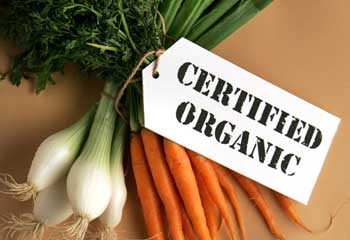
Fruit and vegetables are grown organically therefore they contain more healthy nutrients than conventional grown fruits and vegetables.

organic-food-healthier

Researchers found that organic tomatoes roughly twice the antioxidants. These specific antioxidants reduce the risk of heart disease and lowering high blood pressure. They also reduce the risk of dementia and cancer decrease.

New Scientist Magazine writes that these substances are less present in normal tomatoes probably has to do with the amount of nitrogen in the soil and fertilization. However, a spokesman from a British government agency The Food Agency still not convinced with this statement.

According to him there are differences in the nutritional value, but that does not necessarily mean that it would be healthier than the other.

Incoming Searching Terms and Tags:
Continue reading →
Fruit and vegetables are grown organically therefore they contain more healthy nutrients than conventional grown fruits and vegetables.

organic-food-healthier

Researchers found that organic tomatoes roughly twice the antioxidants. These specific antioxidants reduce the risk of heart disease and lowering high blood pressure. They also reduce the risk of dementia and cancer decrease.

New Scientist Magazine writes that these substances are less present in normal tomatoes probably has to do with the amount of nitrogen in the soil and fertilization. However, a spokesman from a British government agency The Food Agency still not convinced with this statement.

According to him there are differences in the nutritional value, but that does not necessarily mean that it would be healthier than the other.

Incoming Searching Terms and Tags:

Low GI (Glycemic Index) Diet

0 comments

Eat good carbohydrates:

Have you ever count calories or cook separately for your spouse and children? The Low GI diet may be helpful to you. In the United States, Britain and Australia Low GI diet is extremely popular. It's healthy.

Low GI (Glycemic Index) Diet

What is it?

In the Low GI diet you can differentiate between "good" and "bad" carbohydrates. Foods with carbohydrates are digesting slowly. It has a low GI (glycemic index). If you want to lose weight, you need to limit these carbohydrates. Because of your body digests food slowly, you feel fuller for longer. Foods with a high GI value (such as chocolate and cakes) seem attractive. It is nice and it gives you quick energy. But as soon as your blood sugar rises, it falls again. Therefore you feel just drained and exhausted. You will quickly be tempted to eat something after that.

How does it work?

The creator of the Low GI Diet, Rick Martin, has divided it into three categories. Each of these categories has its own color:

Green: foods with a GI below 50.

These products can be eaten unlimited. Examples are broccoli, cucumber, lettuce, tomatoes, peppers, mushrooms, almost all fruits, whole wheat spaghetti, whole wheat macaroni and peanuts. A Mars and a slice of cake carry low GI value. They contain much less calories. Here you can see so much better not to eat.

Yellow: foods with a GI between 50 and 70.

These products you may occasionally eat, so enjoy it in moderation. Examples are whole wheat bread, white bread, brown rice, rye bread, pizza with cheese, cereal, popcorn, pineapple and ice.

Red: foods with a GI of 70 or higher.

These products you should not eat if you want to lose weight. The products are baked potatoes, mashed potatoes, fries, bread, cereal, donuts and dates (provisional) must leave.

Advantages and disadvantages:

This diet sounds easy, but there is a snag. The GI value of a product changes when you cook or bake any product. This also applies if you have a sauce or dressing over it. After sprinkling vinegar on your potatoes, you eat them every day. This is also the reason that opponents diet just complicated.

One well known nutritionist from the Nutrition Center says in about the basic rules of the Low GI diet with existing beliefs about healthy eating: "Many vegetables, fruits, legumes, whole grain cereals and products with little added sugars have a low GI value. Potatoes are in a bad only due to their high GI.

Suitable for?

The Low GI Diet is suitable for people who do not like counting calories. It is also useful if you do not feel different meals for your family to cook. However, you must know a lot about nutrition for this diet to follow. The GI value of food is not constant.

Incoming Searching Terms and Tags:
Continue reading →

Eat good carbohydrates:

Have you ever count calories or cook separately for your spouse and children? The Low GI diet may be helpful to you. In the United States, Britain and Australia Low GI diet is extremely popular. It's healthy.

Low GI (Glycemic Index) Diet

What is it?

In the Low GI diet you can differentiate between "good" and "bad" carbohydrates. Foods with carbohydrates are digesting slowly. It has a low GI (glycemic index). If you want to lose weight, you need to limit these carbohydrates. Because of your body digests food slowly, you feel fuller for longer. Foods with a high GI value (such as chocolate and cakes) seem attractive. It is nice and it gives you quick energy. But as soon as your blood sugar rises, it falls again. Therefore you feel just drained and exhausted. You will quickly be tempted to eat something after that.

How does it work?

The creator of the Low GI Diet, Rick Martin, has divided it into three categories. Each of these categories has its own color:

Green: foods with a GI below 50.

These products can be eaten unlimited. Examples are broccoli, cucumber, lettuce, tomatoes, peppers, mushrooms, almost all fruits, whole wheat spaghetti, whole wheat macaroni and peanuts. A Mars and a slice of cake carry low GI value. They contain much less calories. Here you can see so much better not to eat.

Yellow: foods with a GI between 50 and 70.

These products you may occasionally eat, so enjoy it in moderation. Examples are whole wheat bread, white bread, brown rice, rye bread, pizza with cheese, cereal, popcorn, pineapple and ice.

Red: foods with a GI of 70 or higher.

These products you should not eat if you want to lose weight. The products are baked potatoes, mashed potatoes, fries, bread, cereal, donuts and dates (provisional) must leave.

Advantages and disadvantages:

This diet sounds easy, but there is a snag. The GI value of a product changes when you cook or bake any product. This also applies if you have a sauce or dressing over it. After sprinkling vinegar on your potatoes, you eat them every day. This is also the reason that opponents diet just complicated.

One well known nutritionist from the Nutrition Center says in about the basic rules of the Low GI diet with existing beliefs about healthy eating: "Many vegetables, fruits, legumes, whole grain cereals and products with little added sugars have a low GI value. Potatoes are in a bad only due to their high GI.

Suitable for?

The Low GI Diet is suitable for people who do not like counting calories. It is also useful if you do not feel different meals for your family to cook. However, you must know a lot about nutrition for this diet to follow. The GI value of food is not constant.

Incoming Searching Terms and Tags:

Organically From the Garden

0 comments

Grow your own vegetables:

A vegetable garden is the ideal way to consciously healthy food to be busy. Carrots, tomatoes, lettuce, broccoli and zucchini are some vegetables that you can grow well on Hungary soil. Find a sunny piece of land and get going.

Organically From the Garden

Remove the piece of land that you want to use blank. Keep the plants you can use, but remove all debris and weeds. You remove weeds the best hand. Chemical pesticides draw in the ground because they can affect your vegetables. Roots can sit deep, so good to spit the earth. Fertilize the soil afterwards. That's already half done.

Accessories:

You consist of a shovel or spade, a rake, a hoe, possibly a hand shovel, a trident, a trimmer, sticks (where you encounter the plants can grow) and natural plants or seeds.

Perennials or seasonal plants:

Annual plants, such as spinach, lettuce and radishes grow in the year in which you sow or plant them. You do not have to do more than water. Perennials like rhubarb growing every year. If you break off the flower buds, they grow better.

Herbs:

You do not need to have large garden for fresh herbs. An open place your balcony is enough. Rosemary, thyme, parsley are very tasteful and very suitable for outdoor. Basil you better inside on the windowsill.

Small sowing calendar:

April: eggplant, kale, chervil, corn, paprika, pepper, salsify
May: cauliflower, broccoli, cucumber, pumpkin, lettuce, spinach, tomatoes, chicory, carrots
June: endive, beets, turnips, melons, radishes, runner beans

Harvest recognize:

Harvesting depends on the type of vegetable. If your garden allows, it is best to sow every two weeks, so every time you have fresh vegetables. All vegetables have their own harvest and look different when they are ripe.
When you buy plants or seeds, ask when they can be harvested. For example, you can harvest Onion as two-thirds of the foliage yellowed.

Tips:

  • Make your own vegetables skewers on the grill with rosemary sprigs from the Herb.
  • A nice gift is a jar of strawberry jam and strawberries from the garden, with a homemade label.
  • Put in any kind of a nameplate with sowing date. Now you know everything, but for a month.
  • There is a lively trade in seeds and cuttings. Look on the internet or something you can trade, before strikes at a garden center.
  • Endive and onions bloom are an asset to your garden.
  • In the first season it is convenient to use vegetables that such as pumpkins or potatoes.

Incoming Searching Terms and Tags:
Continue reading →

Grow your own vegetables:

A vegetable garden is the ideal way to consciously healthy food to be busy. Carrots, tomatoes, lettuce, broccoli and zucchini are some vegetables that you can grow well on Hungary soil. Find a sunny piece of land and get going.

Organically From the Garden

Remove the piece of land that you want to use blank. Keep the plants you can use, but remove all debris and weeds. You remove weeds the best hand. Chemical pesticides draw in the ground because they can affect your vegetables. Roots can sit deep, so good to spit the earth. Fertilize the soil afterwards. That's already half done.

Accessories:

You consist of a shovel or spade, a rake, a hoe, possibly a hand shovel, a trident, a trimmer, sticks (where you encounter the plants can grow) and natural plants or seeds.

Perennials or seasonal plants:

Annual plants, such as spinach, lettuce and radishes grow in the year in which you sow or plant them. You do not have to do more than water. Perennials like rhubarb growing every year. If you break off the flower buds, they grow better.

Herbs:

You do not need to have large garden for fresh herbs. An open place your balcony is enough. Rosemary, thyme, parsley are very tasteful and very suitable for outdoor. Basil you better inside on the windowsill.

Small sowing calendar:

April: eggplant, kale, chervil, corn, paprika, pepper, salsify
May: cauliflower, broccoli, cucumber, pumpkin, lettuce, spinach, tomatoes, chicory, carrots
June: endive, beets, turnips, melons, radishes, runner beans

Harvest recognize:

Harvesting depends on the type of vegetable. If your garden allows, it is best to sow every two weeks, so every time you have fresh vegetables. All vegetables have their own harvest and look different when they are ripe.
When you buy plants or seeds, ask when they can be harvested. For example, you can harvest Onion as two-thirds of the foliage yellowed.

Tips:

  • Make your own vegetables skewers on the grill with rosemary sprigs from the Herb.
  • A nice gift is a jar of strawberry jam and strawberries from the garden, with a homemade label.
  • Put in any kind of a nameplate with sowing date. Now you know everything, but for a month.
  • There is a lively trade in seeds and cuttings. Look on the internet or something you can trade, before strikes at a garden center.
  • Endive and onions bloom are an asset to your garden.
  • In the first season it is convenient to use vegetables that such as pumpkins or potatoes.

Incoming Searching Terms and Tags:

How Do You Recover from A Foot Race?

0 comments

Tips to recover:

Well prepared to begin a heavy foot race is a must. Some useful tips are given for those who want to be quickly restored.

How Do You Recover from A Foot Race?

1. Drink enough

You should drink 1.5 liters sweat fluid replacement. Indeed, it takes some time for the moisture again completely penetrated into all tissues which are dehydrated. Meanwhile, the kidneys do their job and they pump a portion of what you drank all out, even for the employed was useful.

2. Eat something as soon as possible

Eat something as soon as possible after exercise. Simple sandwiches or rolls with cheese and jam are perfect and much cheaper than many sports drinks and food. A glass of milk or a milk shake after the game is also not a bad idea. Avoid fatty candy bars, such as Mars, Snickers and such. They contain relatively high fat and you do not need to recover. During the first two hours after exercise restore the carbohydrate reserves are the fastest. A sufficient supply of carbohydrates accelerates the recovery of muscle damage incurred.

3. No alcohol

Do not drink alcohol during the first hour after exercise. Drinking other beverages to your fluid and nutritional needs repair. But do not overdo alcohol or beer because alcohol is a diuretic

4. Flat on the floor with legs up

Sometimes people feel dizzy or faint and fall after arrival. This is because their blood pressure after cessation of exercises suddenly plummets and their brains get too little oxygen. The best solution is just to lie flat on the floor with the legs elevated. A sudden drop in blood pressure after a lengthy effort is nothing serious. It's perfectly normal.

5. Sauna, massage or bath

There is no evidence that a sauna, a massage or a warm bath helps you recover faster.

Incoming Searching Terms and Tags:
Continue reading →

Tips to recover:

Well prepared to begin a heavy foot race is a must. Some useful tips are given for those who want to be quickly restored.

How Do You Recover from A Foot Race?

1. Drink enough

You should drink 1.5 liters sweat fluid replacement. Indeed, it takes some time for the moisture again completely penetrated into all tissues which are dehydrated. Meanwhile, the kidneys do their job and they pump a portion of what you drank all out, even for the employed was useful.

2. Eat something as soon as possible

Eat something as soon as possible after exercise. Simple sandwiches or rolls with cheese and jam are perfect and much cheaper than many sports drinks and food. A glass of milk or a milk shake after the game is also not a bad idea. Avoid fatty candy bars, such as Mars, Snickers and such. They contain relatively high fat and you do not need to recover. During the first two hours after exercise restore the carbohydrate reserves are the fastest. A sufficient supply of carbohydrates accelerates the recovery of muscle damage incurred.

3. No alcohol

Do not drink alcohol during the first hour after exercise. Drinking other beverages to your fluid and nutritional needs repair. But do not overdo alcohol or beer because alcohol is a diuretic

4. Flat on the floor with legs up

Sometimes people feel dizzy or faint and fall after arrival. This is because their blood pressure after cessation of exercises suddenly plummets and their brains get too little oxygen. The best solution is just to lie flat on the floor with the legs elevated. A sudden drop in blood pressure after a lengthy effort is nothing serious. It's perfectly normal.

5. Sauna, massage or bath

There is no evidence that a sauna, a massage or a warm bath helps you recover faster.

Incoming Searching Terms and Tags:

Healthy with Good Eating Old Fashioned Tips

0 comments

Home, garden and kitchen remedies:

Everyone is now busy life as healthy as possible in this matter. We take a pill or doctor's visit for every ailment.

Healthy with good eating old fashioned tips

Earlier in grandma's time ', all kinds of home, garden and kitchen remedies used to solve health problems. Nowadays researchers prove what grandma knew all along. Watermelon example creates a better blood pressure, kiwis help against stress, and eating fruits and vegetables also makes your sex life healthier. Below are some tips.

Prevention and cure of diseases:

Unfortunately, there is no evidence for the claim that orgasm diet creates multiple climaxes per day. However, this diet is very healthy because it has a good balance between fats, carbohydrates and lots of vegetables and fruits. Following vegetables and fruits are known in preventing and curing diseases.

Spinach:

Everyone knows Popeye the Sailorman. The little sailor blow out energy at large after eating a cane of spinach. This unfortunately is based on a myth: a researcher had namely a writing mistake. However, spinach contains different kinds of vitamins and antioxidants. If you just steams and don’t boil spinach, the vitamins will be preserved.

Potato:

Vincent van Gogh ate only potatoes with a little vinegar. It was also a healthy choice. Potatoes are a source of vitamins B and C and minerals.
Study in pigs showed that raw potatoes are good for the immune system. People cannot take potatoes as uncooked food. But scientists believe that food high in resistant starch, such as cold, boiled potatoes, legumes and pasta has the same effect on the resistance.

Tea:

Tea made from yaconbladeren, a crop from the Andes. People with diabetes can greatly benefit them. The root tastes sweet and therefore the syrup as a natural sugar substitute used. But because yacon contains very few calories, you will not become fat.

Onions:

Many people cry, When cutting onions. This is because of zwavelsulfide gas which irritates the eye. It also contains many flavonoids flavor, which could prevent cancer.

Tryptophan:

Eat hesitate falafel. This vegetarian snack is healthier than a hamburger and you will also look happy. The raw material for falafel, chickpeas, contains the amino acid tryptophan. This substance plays a role in the creation of serotonin in the human body. SeroTine gives you a calm, quiet and satisfied feeling. Tryptophan is also found in kiwi and other fruits. During busy times, it is always good to eat fruit. The body could use some extra vitamin C, because stress lowers the resistance. Other fruits also contain lots of tryptophan besides vitamins such as bananas, pineapple and plums.

Watermelon:

Watermelon is a delicious snack, a thirst quencher and very healthy. Watermelon contains arginine, a substance necessary for the build-up of nitric oxide. This material is good for the heart and blood vessels. It lowers blood pressure and prevents blood clotting. Research shows that people who drink a daily glass of watermelon juice, the amount of arginine in the blood increases by 22 percent could. Above products can be useful if you have symptoms. But watch out, not every vegetable or fruit is always healthy for everyone. For food allergies, kiwi is quite common.

Incoming Searching Terms and Tags:
Continue reading →

Home, garden and kitchen remedies:

Everyone is now busy life as healthy as possible in this matter. We take a pill or doctor's visit for every ailment.

Healthy with good eating old fashioned tips

Earlier in grandma's time ', all kinds of home, garden and kitchen remedies used to solve health problems. Nowadays researchers prove what grandma knew all along. Watermelon example creates a better blood pressure, kiwis help against stress, and eating fruits and vegetables also makes your sex life healthier. Below are some tips.

Prevention and cure of diseases:

Unfortunately, there is no evidence for the claim that orgasm diet creates multiple climaxes per day. However, this diet is very healthy because it has a good balance between fats, carbohydrates and lots of vegetables and fruits. Following vegetables and fruits are known in preventing and curing diseases.

Spinach:

Everyone knows Popeye the Sailorman. The little sailor blow out energy at large after eating a cane of spinach. This unfortunately is based on a myth: a researcher had namely a writing mistake. However, spinach contains different kinds of vitamins and antioxidants. If you just steams and don’t boil spinach, the vitamins will be preserved.

Potato:

Vincent van Gogh ate only potatoes with a little vinegar. It was also a healthy choice. Potatoes are a source of vitamins B and C and minerals.
Study in pigs showed that raw potatoes are good for the immune system. People cannot take potatoes as uncooked food. But scientists believe that food high in resistant starch, such as cold, boiled potatoes, legumes and pasta has the same effect on the resistance.

Tea:

Tea made from yaconbladeren, a crop from the Andes. People with diabetes can greatly benefit them. The root tastes sweet and therefore the syrup as a natural sugar substitute used. But because yacon contains very few calories, you will not become fat.

Onions:

Many people cry, When cutting onions. This is because of zwavelsulfide gas which irritates the eye. It also contains many flavonoids flavor, which could prevent cancer.

Tryptophan:

Eat hesitate falafel. This vegetarian snack is healthier than a hamburger and you will also look happy. The raw material for falafel, chickpeas, contains the amino acid tryptophan. This substance plays a role in the creation of serotonin in the human body. SeroTine gives you a calm, quiet and satisfied feeling. Tryptophan is also found in kiwi and other fruits. During busy times, it is always good to eat fruit. The body could use some extra vitamin C, because stress lowers the resistance. Other fruits also contain lots of tryptophan besides vitamins such as bananas, pineapple and plums.

Watermelon:

Watermelon is a delicious snack, a thirst quencher and very healthy. Watermelon contains arginine, a substance necessary for the build-up of nitric oxide. This material is good for the heart and blood vessels. It lowers blood pressure and prevents blood clotting. Research shows that people who drink a daily glass of watermelon juice, the amount of arginine in the blood increases by 22 percent could. Above products can be useful if you have symptoms. But watch out, not every vegetable or fruit is always healthy for everyone. For food allergies, kiwi is quite common.

Incoming Searching Terms and Tags:

Healthy Diet During Intensive Training

0 comments
Question by Nina:
I am 15 years old and I sit next to my high school also a dance academy. I dance therefore about 7 hours per week and have at least 3 days a week until around 9 o'clock. Because I have such irregular eating habits, I notice that lately I have arrived. I weigh about 54 pounds at the time and got 1.62. I would like a bit like losing weight. I would like to receive advice on a good diet.

Healthy diet during intensive training

Reply:
I just calculated your BMI and I came on conclusion that you have a healthy weight for your height. Your BMI is 20.6. A healthy BMI is between 18.5 and 24.9. There is really no reason to want to lose weight. But I understand that you might like to want to lose as you were lighter.
I want to first point out that there is not much need to watch your weight. Because you play sports, you also make a lot of muscle mass.


Eat enough:

If you still want to lose some, try to eat healthy and regularly. Take minimize unhealthy snacks like cookies, candy, chips and other snacks. Always eat at least 2 pieces of fruit and 200 grams of vegetables a day and always choose whole grain products.
Especially when you engaged with sports it is important that you eat enough. Always eat between every 2 to 3 hours. Never skip a meal and make healthy choices.

A day would look like this see:

  • 7 hours Breakfast: 2 whole wheat bread with margarine and lean filling, 1 cup of tea and 1 cup low-fat milk.
  • 9 hours snack: 1 piece of fruit
  • 12 hours Lunch: 2 or 3 slices of bread with margarine and lean filling.
  • 15 hours snack: 1 piece of fruit
  • 18 hours snack (Evening meal): 200 grams of vegetables, 150 grams potatoes / rice / pasta, 100 grams of meat / fish / meat substitute
  • 21 hours snack: 1 piece of fruit or slice of gingerbread or other healthy snack


To get an idea of what healthy choices I give you below a few tips:


Healthy snacks:

Fresh fruit, raw vegetables, dried biscuits, soup mug, slice of cake, cracker with lean meats, low-fat yogurt or cottage cheese container, bun or a rice cake (with flavor).

Skinny toppings:

Meats: chicken, beef sausage, roast beef, steak tartar, ham, roast, turkey.
Cheeses: mozzarella, goat cheese, cottage cheese, sandwich spreads, light cream cheese, peanut butter light.
Sweet fillings: Hail fruits, apple, jam halva, mice, honey, bebogeen (caramel paste).

Incoming Searching Terms and Tags:
Continue reading →
Question by Nina:
I am 15 years old and I sit next to my high school also a dance academy. I dance therefore about 7 hours per week and have at least 3 days a week until around 9 o'clock. Because I have such irregular eating habits, I notice that lately I have arrived. I weigh about 54 pounds at the time and got 1.62. I would like a bit like losing weight. I would like to receive advice on a good diet.

Healthy diet during intensive training

Reply:
I just calculated your BMI and I came on conclusion that you have a healthy weight for your height. Your BMI is 20.6. A healthy BMI is between 18.5 and 24.9. There is really no reason to want to lose weight. But I understand that you might like to want to lose as you were lighter.
I want to first point out that there is not much need to watch your weight. Because you play sports, you also make a lot of muscle mass.


Eat enough:

If you still want to lose some, try to eat healthy and regularly. Take minimize unhealthy snacks like cookies, candy, chips and other snacks. Always eat at least 2 pieces of fruit and 200 grams of vegetables a day and always choose whole grain products.
Especially when you engaged with sports it is important that you eat enough. Always eat between every 2 to 3 hours. Never skip a meal and make healthy choices.

A day would look like this see:

  • 7 hours Breakfast: 2 whole wheat bread with margarine and lean filling, 1 cup of tea and 1 cup low-fat milk.
  • 9 hours snack: 1 piece of fruit
  • 12 hours Lunch: 2 or 3 slices of bread with margarine and lean filling.
  • 15 hours snack: 1 piece of fruit
  • 18 hours snack (Evening meal): 200 grams of vegetables, 150 grams potatoes / rice / pasta, 100 grams of meat / fish / meat substitute
  • 21 hours snack: 1 piece of fruit or slice of gingerbread or other healthy snack


To get an idea of what healthy choices I give you below a few tips:


Healthy snacks:

Fresh fruit, raw vegetables, dried biscuits, soup mug, slice of cake, cracker with lean meats, low-fat yogurt or cottage cheese container, bun or a rice cake (with flavor).

Skinny toppings:

Meats: chicken, beef sausage, roast beef, steak tartar, ham, roast, turkey.
Cheeses: mozzarella, goat cheese, cottage cheese, sandwich spreads, light cream cheese, peanut butter light.
Sweet fillings: Hail fruits, apple, jam halva, mice, honey, bebogeen (caramel paste).

Incoming Searching Terms and Tags:

Healthy Food for Hot Flashes

0 comments

Reduce menopausal symptoms:

You can use drugs and hormones to transition some easing. Customize your diet with these tips.
There are nutrients that menopause can reduce. Through your diet, you not only contribute to your overall health, but you will also easily transition through. Some foods have certain substances that help your body.


Healthy Food for Hot Flashes

Phytoestrogens:

Japanese women seem less affected by the transition than western women. There are indications that they owe this to eating soy. Soy contains phytoestrogens called a good addition to female hormones, the estrogens. Almost all vegetables, fruits and grains contain phytoestrogens.

Isoflavones:

Except phytoestrogens, there is a substance that reduces symptomsth called isoflavones. This beneficial substance is common in soy, lentils and chickpeas. Bacteria in the gut convert these isoflavones in substances that have the same effect as estrogen. Besides relieving menopausal symptoms, it protects the phytoestrogens possible against breast and uterine cancer. They maintain a healthy heart and cholesterol levels low and prevent osteoporosis.

Water and fibers:

Water helps in removing waste products from the body and is applied to the body temperature stable. In order to reduce hot flashes, drink plenty of water recommended during the transition.
Fibers are healthy. They stimulate digestion and prevent from colon cancer. They give feel full faster and remove toxins from the body. Fibers also regulate estrogen levels in the body during the transition.

Incoming Searching Terms and Tags:
Continue reading →

Reduce menopausal symptoms:

You can use drugs and hormones to transition some easing. Customize your diet with these tips.
There are nutrients that menopause can reduce. Through your diet, you not only contribute to your overall health, but you will also easily transition through. Some foods have certain substances that help your body.


Healthy Food for Hot Flashes

Phytoestrogens:

Japanese women seem less affected by the transition than western women. There are indications that they owe this to eating soy. Soy contains phytoestrogens called a good addition to female hormones, the estrogens. Almost all vegetables, fruits and grains contain phytoestrogens.

Isoflavones:

Except phytoestrogens, there is a substance that reduces symptomsth called isoflavones. This beneficial substance is common in soy, lentils and chickpeas. Bacteria in the gut convert these isoflavones in substances that have the same effect as estrogen. Besides relieving menopausal symptoms, it protects the phytoestrogens possible against breast and uterine cancer. They maintain a healthy heart and cholesterol levels low and prevent osteoporosis.

Water and fibers:

Water helps in removing waste products from the body and is applied to the body temperature stable. In order to reduce hot flashes, drink plenty of water recommended during the transition.
Fibers are healthy. They stimulate digestion and prevent from colon cancer. They give feel full faster and remove toxins from the body. Fibers also regulate estrogen levels in the body during the transition.

Incoming Searching Terms and Tags:

Two Eggs in Breakfast Seem to Help a Diet for Weight Loss

0 comments
According to a publication in the International Journey of Obesity two eggs in breakfast seem to help a diet. The researchers compared two groups of adults who were on the line. Both groups followed a diet in calories. One group ate a bagel for breakfast, and the other group takes two eggs. By eating two eggs for breakfast, they lost more weight than those who ate a bagel for breakfast.

egg for diet for weight loss

The bagel contains the same number of calories as the two eggs together. Remarkably, the group that ate the eggs fell off 65 percent more than those who took a bagel for breakfast. It was also felt that the egg group feels fitter and had more energy than the bagel group.

The researchers also checked the cholesterol level. It was not higher in the group with the egg-breakfast.

Incoming Searching Terms and Tags:
Continue reading →
According to a publication in the International Journey of Obesity two eggs in breakfast seem to help a diet. The researchers compared two groups of adults who were on the line. Both groups followed a diet in calories. One group ate a bagel for breakfast, and the other group takes two eggs. By eating two eggs for breakfast, they lost more weight than those who ate a bagel for breakfast.

egg for diet for weight loss

The bagel contains the same number of calories as the two eggs together. Remarkably, the group that ate the eggs fell off 65 percent more than those who took a bagel for breakfast. It was also felt that the egg group feels fitter and had more energy than the bagel group.

The researchers also checked the cholesterol level. It was not higher in the group with the egg-breakfast.

Incoming Searching Terms and Tags:

Eggs Nutrition Facts - Eating Eggs Healthy or Not

0 comments

Facts and fables in a row:

Baked, boiled and poached egg can taste so good. Eggs are healthy. By eating eggs, you will not get fat.  An average boiled egg contains only 75 calories. Eggs contain antioxidants which counteract age-related eye diseases.

Eating Eggs Healthy or Not

Source of proteins:

Eggs are rich in all essential amino acids. Moreover, they are a source of organic, high-quality protein. Finally, eggs contain useful substances such as iron, choline, folic acid and vitamins B2, B12, E and D.

Freshness:

To find out the freshness of egg, put it in cold water. The more the convex side up to the surface, the older the egg is. This is due to the air chamber of the egg. This becomes larger, as the egg get older. After six weeks, the air chamber is so large that the egg in its entirety can remain afloat. Then it's really time to throw away the egg. If you have a fresh egg breaks open, you will see a round, solid and transparent yolk protein that little bleed.

Cholesterol:

It is not entirely true that eating many eggs is bad for your cholesterol. As long as you cannot take more than 300 mg of cholesterol each day, it is advisable to take few other food products with saturated fat. When an egg white is free of cholesterol, egg yolk contains 200 mg. So you can easily take two to three eggs per week food. if you like an egg every day, you should ensure that you minimize other products with lot of cholesterol. These include fatty meats, cheeses, butter and margarines which harden in the fridge, snacks and sweet snacks.

Salmonella:

Salmonella is an intestinal bacterium through contaminated food by which each year about 50,000 people sick. The bacteria live in the intestines of poultry and pigs and spreads through feces. People can also be carriers of infect food by poor hygiene. Certain types of salmonella food can cause infection. In a food infection, bacteria get inside. This will then multiply in your gut and makes you sick. Because the multiplication takes time, it may take up to 3 days before you get sick.

Diarrhea, abdominal cramps, headache, mild fever, chills, nausea, drowsiness and vomiting are the most common complaints. For most people, the symptoms disappear naturally. But in severe disease, antibiotics are necessary. Rest and drink plenty of fluids are generally the best remedy to get rid of the infection. Please note that the salmonella bacteria can be deadly if you dry out or if your kidney functions are lost.

Avian Flu:

It is almost impossible that bird flu virus infected by eating eggs. You can increase the disease only after close contact with sick and dead birds infected.

Easter:

There is no problem if you eat your Easter eggs little more. The level of cholesterol in your blood has little effect by eating more eggs. Any egg painted with egg paint or markers, it can eat carefree. Boil eggs are hard, at least nine minutes. Thus you can prevent Salmonella contamination.

Incoming Searching Terms and Tags:
Continue reading →

Facts and fables in a row:

Baked, boiled and poached egg can taste so good. Eggs are healthy. By eating eggs, you will not get fat.  An average boiled egg contains only 75 calories. Eggs contain antioxidants which counteract age-related eye diseases.

Eating Eggs Healthy or Not

Source of proteins:

Eggs are rich in all essential amino acids. Moreover, they are a source of organic, high-quality protein. Finally, eggs contain useful substances such as iron, choline, folic acid and vitamins B2, B12, E and D.

Freshness:

To find out the freshness of egg, put it in cold water. The more the convex side up to the surface, the older the egg is. This is due to the air chamber of the egg. This becomes larger, as the egg get older. After six weeks, the air chamber is so large that the egg in its entirety can remain afloat. Then it's really time to throw away the egg. If you have a fresh egg breaks open, you will see a round, solid and transparent yolk protein that little bleed.

Cholesterol:

It is not entirely true that eating many eggs is bad for your cholesterol. As long as you cannot take more than 300 mg of cholesterol each day, it is advisable to take few other food products with saturated fat. When an egg white is free of cholesterol, egg yolk contains 200 mg. So you can easily take two to three eggs per week food. if you like an egg every day, you should ensure that you minimize other products with lot of cholesterol. These include fatty meats, cheeses, butter and margarines which harden in the fridge, snacks and sweet snacks.

Salmonella:

Salmonella is an intestinal bacterium through contaminated food by which each year about 50,000 people sick. The bacteria live in the intestines of poultry and pigs and spreads through feces. People can also be carriers of infect food by poor hygiene. Certain types of salmonella food can cause infection. In a food infection, bacteria get inside. This will then multiply in your gut and makes you sick. Because the multiplication takes time, it may take up to 3 days before you get sick.

Diarrhea, abdominal cramps, headache, mild fever, chills, nausea, drowsiness and vomiting are the most common complaints. For most people, the symptoms disappear naturally. But in severe disease, antibiotics are necessary. Rest and drink plenty of fluids are generally the best remedy to get rid of the infection. Please note that the salmonella bacteria can be deadly if you dry out or if your kidney functions are lost.

Avian Flu:

It is almost impossible that bird flu virus infected by eating eggs. You can increase the disease only after close contact with sick and dead birds infected.

Easter:

There is no problem if you eat your Easter eggs little more. The level of cholesterol in your blood has little effect by eating more eggs. Any egg painted with egg paint or markers, it can eat carefree. Boil eggs are hard, at least nine minutes. Thus you can prevent Salmonella contamination.

Incoming Searching Terms and Tags:

Counting Calories to Lose Weight While Shopping

0 comments
More and more people are looking to purchase a new product in the supermarket just on the label. They determine whether it is healthy or not. But where do you actually look for?

counting calories to lose weight

Label contains the following nutrients often called kcal (calories) / kj (kilojoules), protein, carbohydrates and fats. Sometimes there is some extra information, e.g. fiber, sodium (a component of salt i.e. sodium chloride), certain vitamins or minerals and saturated fats.

Calculating Calories

In general, the term "calorie" is used mostly. The Kilojoules is nothing but a calorie x 4.2. So it's just a different method of calculation.

Calories are always given per 100 grams or milliliters (unless otherwise indicated). This can sometimes be quite confusing. Because a glass of milk is not of a 100 ml but it is between 150-200 ml.

Proteins provide 4 calories (kcal) per gram, carbohydrates also 4 kcal and fat 9 kcal per gram. If you add up, you will get the amount of calories.

Fat is often a distinction between saturated and unsaturated fats. Saturated fats are bad fats that are not conducive to health. A product with less saturated and more unsaturated fats is better. Yet they both deliver as many calories. Sometimes there are even trans fats. These also fall under the bad fats.

Choice while shopping

It is impossible to get all the calories of all products to memorize. Therefore it is very difficult to determine whether a product is good or not.

You see in the store such as a full suit chocolate, and want to take this out for a change of pack semi-skimmed milk. There are 47 kcal per 100 ml in the semi-skimmed milk. There are 89 kcal per 100 ml in the whole chocolate. But a pack of light chocolate contains only 53 kcal per 100 ml and is thus a suitable replacement.

Note the saturated fats and preferably choose a product to minimize saturated fats. A little common sense is also important when shopping.

Incoming Searching Terms and Tags:
Continue reading →
More and more people are looking to purchase a new product in the supermarket just on the label. They determine whether it is healthy or not. But where do you actually look for?

counting calories to lose weight

Label contains the following nutrients often called kcal (calories) / kj (kilojoules), protein, carbohydrates and fats. Sometimes there is some extra information, e.g. fiber, sodium (a component of salt i.e. sodium chloride), certain vitamins or minerals and saturated fats.

Calculating Calories

In general, the term "calorie" is used mostly. The Kilojoules is nothing but a calorie x 4.2. So it's just a different method of calculation.

Calories are always given per 100 grams or milliliters (unless otherwise indicated). This can sometimes be quite confusing. Because a glass of milk is not of a 100 ml but it is between 150-200 ml.

Proteins provide 4 calories (kcal) per gram, carbohydrates also 4 kcal and fat 9 kcal per gram. If you add up, you will get the amount of calories.

Fat is often a distinction between saturated and unsaturated fats. Saturated fats are bad fats that are not conducive to health. A product with less saturated and more unsaturated fats is better. Yet they both deliver as many calories. Sometimes there are even trans fats. These also fall under the bad fats.

Choice while shopping

It is impossible to get all the calories of all products to memorize. Therefore it is very difficult to determine whether a product is good or not.

You see in the store such as a full suit chocolate, and want to take this out for a change of pack semi-skimmed milk. There are 47 kcal per 100 ml in the semi-skimmed milk. There are 89 kcal per 100 ml in the whole chocolate. But a pack of light chocolate contains only 53 kcal per 100 ml and is thus a suitable replacement.

Note the saturated fats and preferably choose a product to minimize saturated fats. A little common sense is also important when shopping.

Incoming Searching Terms and Tags:

Eat Smart in your Exam - Tips from the Dietitian

0 comments
What you eat affects your brain, and the extent to which you can focus. Dr Joz Nutrition Consultant therefore gives the following tips for graduate students. In short, eat smart!

diet during exam time

It is first important that you eat regularly. This means three meals a day, and two or three times in between something healthy. As a snack, you can take fruit, a biscuit as between League, a slice of gingerbread or some yoghurt.

Don't Skip Breakfast

Especially young people skip breakfast often. But you have brains morning outset fuel - in the form of glucose is necessary. Without breakfast, you're less well focused. A breakfast with slow carbohydrates (bread, yogurt with muesli or porridge) is always good.

Do not go lines in the examination period. If you lose a few pounds for the summer, wait until after slimming it with your final exam. It has been proven that people on the line do worse scores on intelligence tests and tests where the response is measured. Dieters scored the same as people who had drunk two glasses of alcohol.

Fruit and vegetables

Stress uses more of certain vitamins and minerals, so it is more important to pay attention to your food and plenty of fruits and vegetables in the exam. A deficiency of vitamins and minerals (e.g. iron) makes you less concentrate or that you feel tired. Alternatively you can take a multivitamin, you can be sure that you get all the nutrients in adequate. If you need some extra vitamins and minerals occupy, you eliminate any deficiencies and you will feel fitter. However, this effect is only effective if there is therefore a deficiency of one or more vitamins was.

Drinking water

In the evening, you better not to take too much, too late or too fat food because with a full stomach worse sleep. If you drink alcohol you fall asleep quickly, but you sleep less deeply. The quality of sleep is less by alcohol. You will be less rested. In addition, make sure that you drink enough water, about 1.5 liters per day. If you are tired and need a night blocks, coffee can help to stay awake. But do not take more than a few cups a day. Otherwise you may get from your stomach or shaky hands.

Just before the exam

Half an hour before an exam you can drink a cup of coffee so you just 'alert' and it helps you to concentrate better. Even an energy drink can pep up during the exam. Yet these drinks contain caffeine besides much sugar. Sugar gives many peaks and valleys in blood sugar. It will take some energy, but shortly afterwards what makes it slow. Use an energy drink only for the last part of your exam.  If you want to eat during the exam, choose rather to slow carbohydrates in the form of a banana or a sandwich, then for sugars such as a candy bar or other candy.

Incoming Searching Terms and Tags:
Continue reading →
What you eat affects your brain, and the extent to which you can focus. Dr Joz Nutrition Consultant therefore gives the following tips for graduate students. In short, eat smart!

diet during exam time

It is first important that you eat regularly. This means three meals a day, and two or three times in between something healthy. As a snack, you can take fruit, a biscuit as between League, a slice of gingerbread or some yoghurt.

Don't Skip Breakfast

Especially young people skip breakfast often. But you have brains morning outset fuel - in the form of glucose is necessary. Without breakfast, you're less well focused. A breakfast with slow carbohydrates (bread, yogurt with muesli or porridge) is always good.

Do not go lines in the examination period. If you lose a few pounds for the summer, wait until after slimming it with your final exam. It has been proven that people on the line do worse scores on intelligence tests and tests where the response is measured. Dieters scored the same as people who had drunk two glasses of alcohol.

Fruit and vegetables

Stress uses more of certain vitamins and minerals, so it is more important to pay attention to your food and plenty of fruits and vegetables in the exam. A deficiency of vitamins and minerals (e.g. iron) makes you less concentrate or that you feel tired. Alternatively you can take a multivitamin, you can be sure that you get all the nutrients in adequate. If you need some extra vitamins and minerals occupy, you eliminate any deficiencies and you will feel fitter. However, this effect is only effective if there is therefore a deficiency of one or more vitamins was.

Drinking water

In the evening, you better not to take too much, too late or too fat food because with a full stomach worse sleep. If you drink alcohol you fall asleep quickly, but you sleep less deeply. The quality of sleep is less by alcohol. You will be less rested. In addition, make sure that you drink enough water, about 1.5 liters per day. If you are tired and need a night blocks, coffee can help to stay awake. But do not take more than a few cups a day. Otherwise you may get from your stomach or shaky hands.

Just before the exam

Half an hour before an exam you can drink a cup of coffee so you just 'alert' and it helps you to concentrate better. Even an energy drink can pep up during the exam. Yet these drinks contain caffeine besides much sugar. Sugar gives many peaks and valleys in blood sugar. It will take some energy, but shortly afterwards what makes it slow. Use an energy drink only for the last part of your exam.  If you want to eat during the exam, choose rather to slow carbohydrates in the form of a banana or a sandwich, then for sugars such as a candy bar or other candy.

Incoming Searching Terms and Tags: